
Tattoo Cover Up Ideas (And Where to Get Them in Atlanta)
Tattoos are meant to be permanent, but that does not mean you are stuck with a tattoo you no longer like. Whether the design has faded, the meaning has changed, or the original tattoo did not turn out the way you hoped, a tattoo cover up can transform old ink into something completely new.
Many tattoo collectors eventually consider a cover up tattoo at some point. With the right approach and an experienced artist, an old tattoo can be redesigned using stronger composition, darker shading, and updated tattoo styles.
If you are wondering whether you can cover up an old tattoo, the answer is usually yes. However, there are several important factors that determine how successful a tattoo cover up will be.
If you are considering a tattoo cover up in Atlanta, it is important to work with an artist who understands how to design around existing ink. In this guide, we will explain how tattoo cover ups work, what makes a good cover up design, and what you should expect when transforming an old tattoo.
What Is a Tattoo Cover Up?
A tattoo cover up is a new tattoo that is designed to hide or transform an existing tattoo.
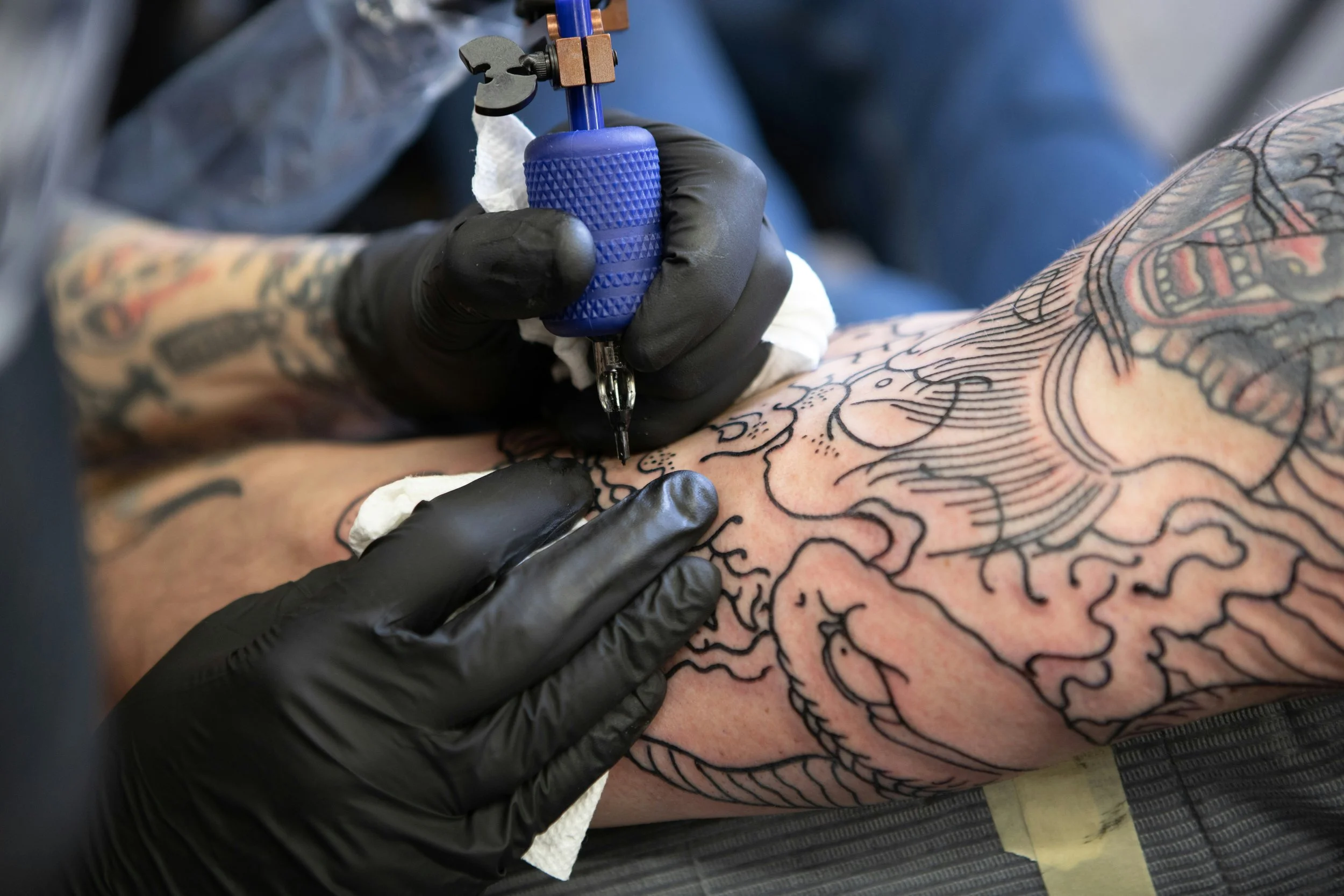
Instead of removing the original tattoo completely, a tattoo artist creates a new design that incorporates darker lines, shading, or larger elements to disguise the original artwork.
Cover up tattoos often involve:
Adding darker colors
Expanding the design
Using heavier shading
Changing the overall shape of the tattoo
When done properly, a tattoo cover up can completely change the appearance of the original tattoo so that it becomes part of the new design.
Many tattoo artists enjoy working on cover up tattoos because they require creativity and problem solving.
Why People Get Tattoo Cover Ups
There are many reasons why someone might want to cover an old tattoo.
The Tattoo Has Faded
Over time, tattoos naturally fade. Older tattoos may lose contrast or appear blurry, making them good candidates for a cover up tattoo.
The Original Tattoo Was Poorly Done
Sometimes tattoos simply do not come out as expected. Uneven lines, poor shading, or low quality artwork can lead people to seek out cover up tattoo options.
The Meaning Has Changed
Many tattoos represent a specific moment in life. As people grow and change, they may want a tattoo that better reflects who they are today.
The Tattoo Was Impulsive
Some people get tattoos spontaneously without thinking long term. Later they may decide they want something more meaningful or aesthetically refined.
Regardless of the reason, a well designed tattoo cover up can help transform unwanted ink into a piece of artwork you are proud to wear.
Can Every Tattoo Be Covered Up?
While many tattoos can be covered, not every tattoo is equally easy to conceal.
Several factors influence whether a cover up tattoo will work.
Size of the Original Tattoo
Large tattoos require larger cover up designs. The new tattoo usually needs to be slightly bigger in order to hide the existing ink.
Darkness of the Ink
Very dark tattoos can be more difficult to cover. In these cases the cover up design must incorporate darker shading or bold elements.
Placement on the Body
Certain areas of the body are easier to work with than others. Flat surfaces like the upper arm or back often provide more flexibility for cover up designs.
Age of the Tattoo
Older tattoos that have faded over time are often easier to cover than fresh, dark tattoos.
A skilled tattoo artist will evaluate these factors before recommending a cover up design.
Tattoo Cover Up Ideas
The best cover up tattoos are designs that naturally incorporate darker areas and complex shapes.
Here are some popular tattoo cover up ideas that artists frequently use.
Floral Tattoos
Flowers are one of the most common tattoo cover up designs. Petals and leaves allow artists to layer shading and texture over an existing tattoo.
Popular floral cover ups include:
Roses
Peonies
Chrysanthemums
Lotus flowers
Animal Tattoos
Animal designs provide strong shapes and bold outlines that work well for covering previous tattoos.
Popular animal cover up tattoos include:
Panthers
Wolves
Snakes
Eagles
Blackwork Designs
Blackwork tattoos use heavy black shading to conceal old ink. This style can be especially effective for covering dark tattoos.
Examples include:
Geometric blackwork
Mandala tattoos
Ornamental designs
Traditional Tattoo Designs
American traditional tattoos feature bold lines and solid colors, making them great candidates for cover ups.
Classic traditional cover up tattoos include:
Daggers
Skulls
Panthers
Roses
These designs naturally incorporate shading that can hide existing ink.
How Tattoo Artists Design Cover Ups
Designing a cover up tattoo is different from creating a standard tattoo.
Artists must carefully plan the new design so that it disguises the original tattoo without looking forced.
Evaluating the Existing Tattoo
The first step is examining the size, shape, and color of the existing tattoo.
This helps determine what elements must be hidden and what parts can be incorporated into the new design.
Creating a Larger Design
Cover up tattoos often need to be larger than the original tattoo. Expanding the design allows the artist to distribute shading and linework across a wider area.
Using Strategic Shading
Shading is one of the most powerful tools in tattoo cover ups. By placing darker areas over existing ink, the artist can conceal the original design.
Reworking the Tattoo Shape
In some cases the original tattoo becomes part of the new artwork. Lines or shapes may be integrated into the final design rather than completely hidden.
The goal is always to create a tattoo that looks intentional and balanced.
Tattoo Cover Ups vs Tattoo Removal
Some people wonder whether they should cover a tattoo or remove it entirely.
Both options have advantages.
Tattoo Cover Ups
Pros:
Immediate transformation
Less expensive than removal
Creates new artwork
Cons:
Design options may be limited
Often requires a larger tattoo
Tattoo Removal
Pros:
Removes the original tattoo
Allows for a completely new design
Cons:
Multiple laser sessions
Higher cost
Long healing process
In some cases, people combine both methods by doing a few sessions of laser removal to lighten the tattoo before getting a cover up.
This technique is known as laser fading.
Choosing the Right Artist for a Tattoo Cover Up
Tattoo cover ups require a high level of experience and technical skill.
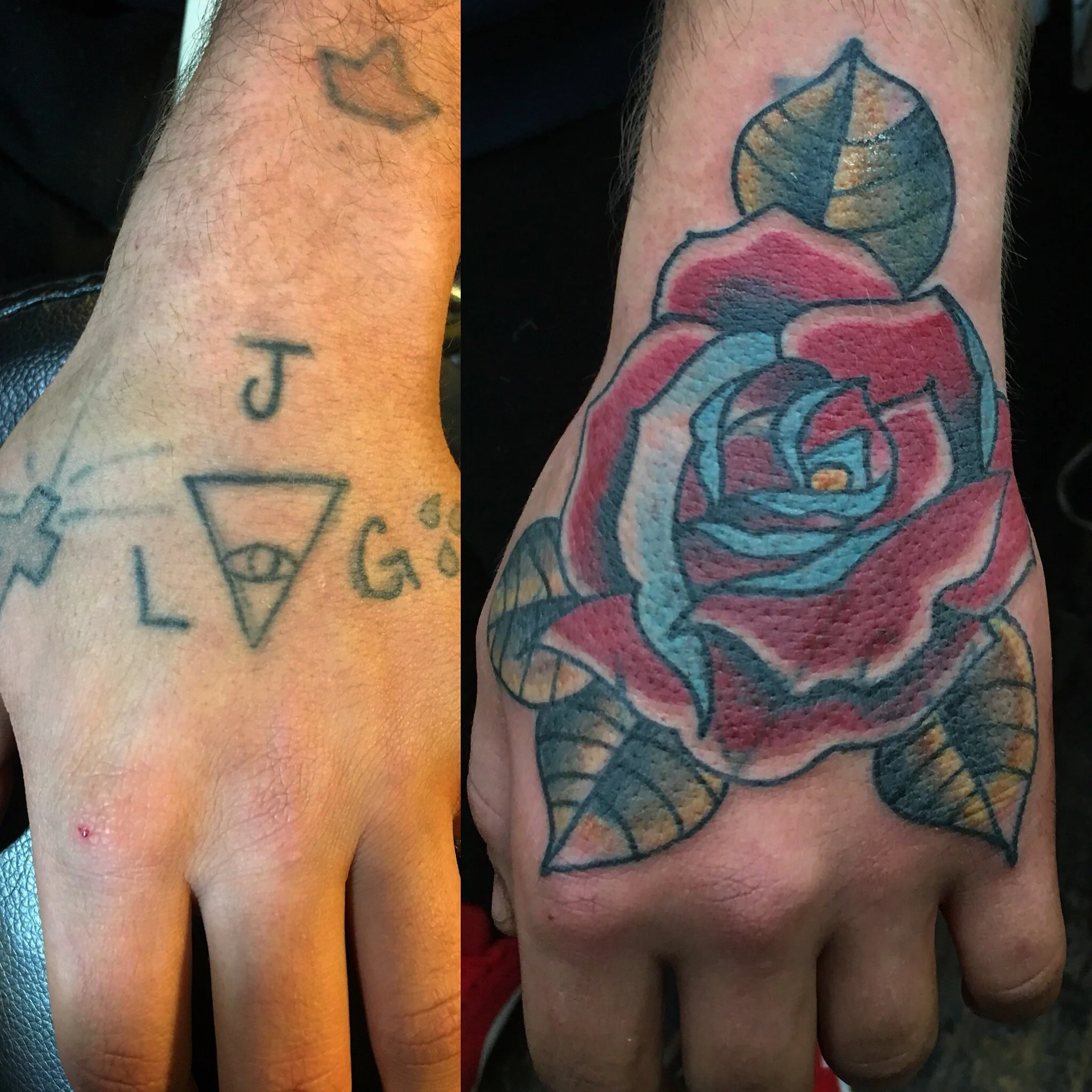
Not every tattoo artist specializes in cover ups, so it is important to research artists carefully.
When choosing a tattoo artist for a cover up tattoo, look for:
A strong portfolio of cover up work
Experience with shading and color
Creative design ability
Professional consultation process
Artists who regularly perform tattoo cover ups will understand how to balance design, shading, and placement.
If you are searching for a tattoo cover up in Atlanta, working with experienced tattoo artists can make a huge difference in the final result.
Preparing for a Tattoo Cover Up
Before scheduling your cover up appointment, there are a few steps you can take to prepare.
Bring Reference Images
Reference images help your tattoo artist understand the style and direction you want for the new design.
Be Open to Design Suggestions
Because cover ups require careful planning, your artist may suggest design changes to ensure the tattoo works properly.
Consider Size and Placement
Remember that cover up tattoos often need to be larger than the original tattoo.
Being flexible about size and placement will allow the artist more freedom to create an effective design.
Take Care of Your Skin
Healthy skin heals better and produces better tattoo results. Stay hydrated and follow any pre appointment instructions your artist provides.
What to Expect During the Cover Up Process
The tattoo process itself is similar to getting any other tattoo.
However, cover up tattoos may take slightly longer because of the additional shading and detail required.
Steps typically include:
Consultation with the artist
Design development
Stencil placement
Tattooing session
Aftercare and healing
Depending on the size of the cover up tattoo, the process may take one session or multiple sessions.
Healing time is generally the same as a normal tattoo.
Do Tattoo Cover Ups Look Different From Regular Tattoos?
When done properly, a cover up tattoo should look like a normal tattoo.
Most people will never know that a tattoo was originally a cover up unless they saw the previous design.
However, cover up tattoos may sometimes include:
Slightly darker shading
More complex designs
Larger artwork
These elements help conceal the old tattoo effectively.
With an experienced tattoo artist, the final result can look completely intentional and artistic.
Tattoo Cover Up Success Stories
Many tattoo collectors end up loving their cover up tattoos even more than the original design.
Cover ups often represent a new chapter in someone’s life and can turn an unwanted tattoo into meaningful artwork.
From transforming faded tattoos into bold traditional designs to reworking old script tattoos into floral artwork, the possibilities are extensive.
A creative tattoo artist can often take what seems like a difficult tattoo and turn it into something completely new.
How to Plan a Successful Tattoo Cover Up
So, can you cover up an old tattoo? In most cases, yes.
Tattoo cover ups are a common and effective way to transform tattoos that no longer reflect your style or story.
With the right design, shading techniques, and an experienced tattoo artist, an old tattoo can be turned into a completely new piece of art.
If you are considering a tattoo cover up, the best first step is scheduling a consultation with a professional tattoo artist who can evaluate your existing tattoo and recommend the best approach.
Where to Get a Tattoo Cover Up in Atlanta
Covering up an existing tattoo is one of the more advanced skills in tattooing. It requires more than just placing a new design over old ink. The artist needs to understand how to work with darker tones, adjust the composition, and create something that fully transforms the original piece.
If you are looking to book a tattoo cover up in Atlanta, working with an experienced artist is key. At Big Cat Tattoo, our artists focus on custom designs that are built specifically to cover and improve existing tattoos, not just hide them.
Before starting a cover up, we take the time to evaluate your current tattoo, discuss design options, and make sure the new piece will heal and age properly.
If you are unsure whether your tattoo can be covered, the best next step is to speak with a professional and review your options.