
Piercing Aftercare: How to Heal Your Piercing the Right Way
Getting a new piercing is the easy part. Healing it properly is where patience and discipline matter.
Whether you just got pierced at Big Cat or anywhere else in Atlanta, proper aftercare protects your health, prevents infection, and ensures your piercing heals cleanly and comfortably. This guide walks you through exactly what to do from the first day through full healing so your piercing looks and feels the way it should.
Piercings are technically puncture wounds. Your body needs time to repair tissue, stabilize jewelry, and fight off bacteria. The way you treat your piercing during this time makes all the difference.
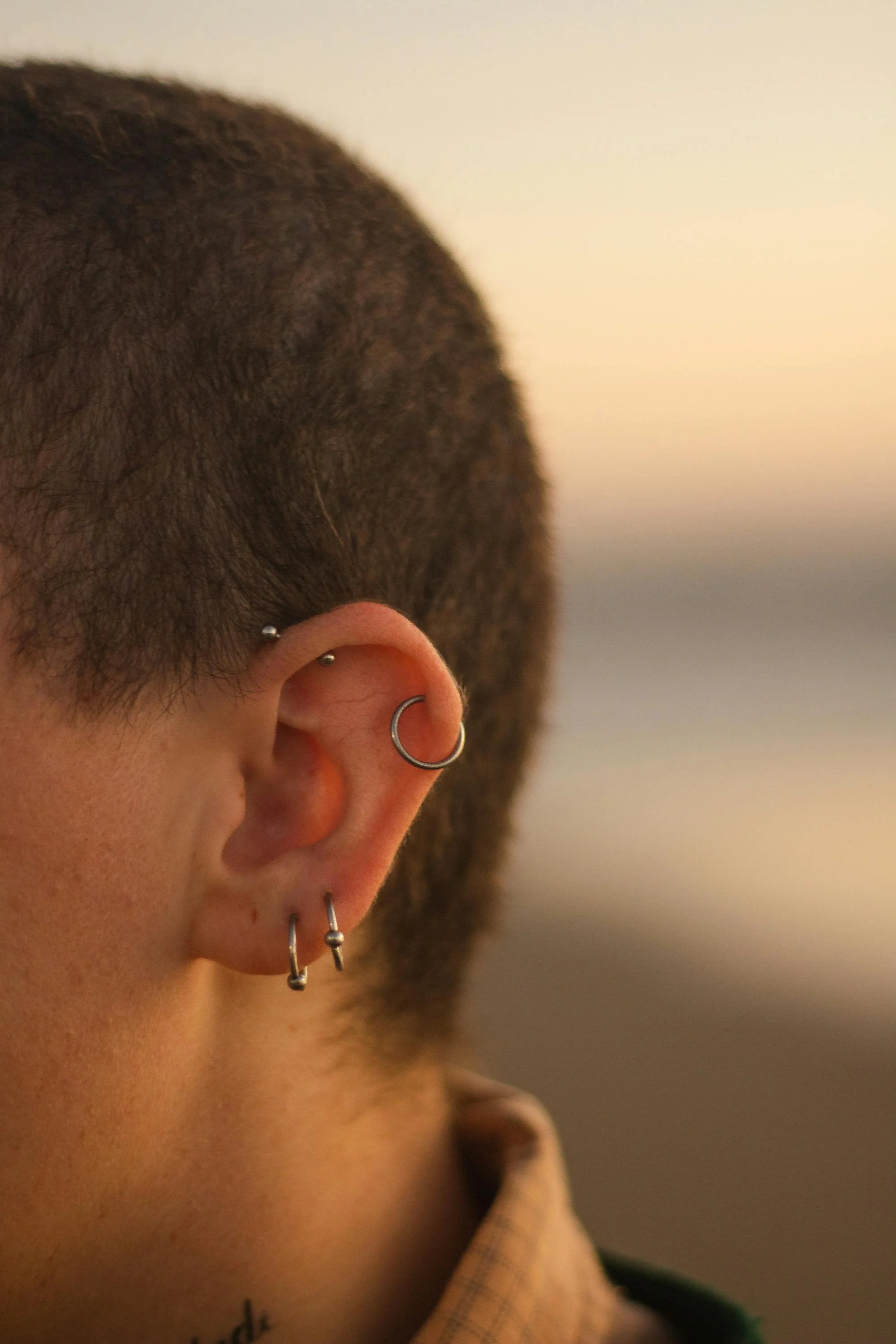
Why Piercing Aftercare Matters
Improper aftercare can lead to:
Infection
Excessive swelling
Prolonged healing
Scarring
Rejection or migration
Irritation bumps
Good aftercare helps:
Minimize swelling
Reduce discomfort
Prevent infection
Support smooth healing
Maintain proper jewelry placement
Just like tattoo aftercare, consistency is key.
The First 24 to 48 Hours
The first two days are critical for reducing irritation and preventing bacteria exposure.
What to Expect
Mild swelling
Tenderness
Light redness
Clear or slightly white discharge
This is normal.
What to Do Immediately
Wash your hands before touching the piercing.
Do not rotate or twist the jewelry.
Avoid sleeping directly on the piercing.
Clean gently with sterile saline solution.
Do not use alcohol or hydrogen peroxide. These are too harsh and delay healing.
How to Clean a New Piercing
Cleaning properly is simple, but it must be consistent.
Step 1: Use Sterile Saline Solution
Use a sterile saline wound wash, not homemade saltwater unless instructed by a professional.
Spray the area twice per day.
Step 2: Let It Soak
Allow the saline to sit for 30 to 60 seconds. This softens dried discharge and supports healing.
Step 3: Gently Pat Dry
Use clean paper towels. Avoid cloth towels, which can carry bacteria.
Do not pick crusting. It will loosen naturally.
How Often Should You Clean a Piercing?
Twice daily is ideal for most piercings.
Over cleaning can:
Dry out tissue
Cause irritation
Delay healing
Under cleaning increases infection risk.
Balance matters.
Piercing Healing Times
Healing time varies depending on placement, blood flow, jewelry quality, and how consistent you are with aftercare. Even if a piercing looks healed on the outside, the internal tissue may still be repairing.
For a full look into tattoo healing times, look at our blog on How Long Do Piercings Take to Heal.
Important Notes About Healing
• Healing time is not the same as pain duration.
• Swelling may decrease before internal healing is complete.
• Changing jewelry too early can reset the healing process.
• Proper jewelry quality speeds healing.
• Trauma, friction, or sleeping on the piercing delays healing.
If you are unsure whether your piercing is healed, consult a professional piercer before changing jewelry.
Common Piercing Aftercare Mistakes
1. Twisting the Jewelry
Old advice suggested rotating jewelry. That is outdated.
Twisting disrupts healing tissue and can introduce bacteria.
Leave it alone.
2. Using Harsh Chemicals
Avoid:
Alcohol
Hydrogen peroxide
Tea tree oil (unless advised)
Ointments
These products dry tissue and slow healing.
3. Sleeping on It
Pressure causes:
Swelling
Irritation bumps
Migration
Use a travel pillow for ear piercings if needed.
4. Changing Jewelry Too Soon
Even if it looks healed on the outside, internal tissue may still be fragile.
Wait until a professional piercer confirms it is ready.
Signs of Normal Healing vs Infection
Understanding the difference prevents panic.
Normal Healing
Mild swelling
Light redness
Clear discharge
Tenderness
Signs of Infection
Thick yellow or green discharge
Severe swelling
Heat radiating from area
Fever
Persistent throbbing pain
If you suspect infection, consult a medical professional immediately.
Can You Shower After Getting a Piercing?
Yes.
Allow warm water to gently run over the piercing. Avoid soaking in baths, pools, or hot tubs during early healing.
Submerging a fresh piercing increases infection risk.
When Can You Swim After a Piercing?
Wait at least:
2 to 4 weeks for earlobes
Longer for cartilage and body piercings
Lakes and oceans carry bacteria. Pools contain chemicals that irritate healing tissue.
If swimming is unavoidable, clean immediately afterward with saline.
Piercing Aftercare by Area
Different piercings heal differently. Blood flow, tissue type, movement, and exposure all affect how a piercing behaves during healing. Below is a breakdown of aftercare considerations by placement so you know what to expect.
Earlobe Piercing Aftercare
Earlobes heal faster than most other piercings, but they still require consistent care.
Clean twice daily with sterile saline.
Avoid sleeping directly on new piercings.
Keep hair products and sprays away from the area.
Do not remove jewelry during the full 6 to 8 week healing period.
Even though lobe piercings are common, removing jewelry too early can cause the hole to close quickly.
Helix Piercing (Upper Ear Cartilage) Aftercare
Cartilage has less blood flow than soft tissue, which means healing takes longer.
Avoid pressure from sleeping on that side.
Be cautious with hats and helmets.
Avoid over ear headphones during early healing.
Do not twist or rotate jewelry.
Irritation bumps are common with helix piercings and are often caused by pressure or friction rather than infection.
Tragus Piercing Aftercare
The tragus is thick cartilage near the ear canal.
Avoid earbuds during early healing.
Clean gently but thoroughly with saline.
Do not pick at crusting.
Minimize touching or adjusting jewelry.
Because it sits near the ear canal, maintaining good hygiene is important.
Conch Piercing Aftercare
Conch piercings pass through thicker cartilage inside the ear.
Be mindful of pressure while sleeping.
Avoid tight headwear.
Clean twice daily with sterile saline.
Avoid switching to hoops until fully healed.
Swelling may last several weeks, especially with thicker jewelry.
Industrial or Complex Cartilage Piercing Aftercare
An industrial connects two cartilage piercings with one barbell.
Keep the entire bar clean.
Avoid bumping either end of the piercing.
Do not sleep on that side.
Be patient. Healing can take 6 months or longer.
Because two areas are healing at once, irritation is more common if pressure is applied.
Nostril Piercing Aftercare
Nostril piercings are exposed to bacteria from the environment, so cleanliness is important.
Clean twice daily with sterile saline.
Avoid touching unnecessarily.
Be cautious when blowing your nose.
Avoid makeup near the piercing during early healing.
Small irritation bumps can appear but often resolve with proper care and reduced friction.
Septum Piercing Aftercare
Septum piercings heal faster than most cartilage piercings because they pass through softer tissue.
Rinse gently with saline twice daily.
Avoid excessive flipping of jewelry during healing.
Keep the area clean and free of buildup.
Mild swelling and tenderness are normal in the first few weeks.
Lip or Labret Piercing Aftercare
Oral piercings require both external and internal care.
Clean the outside with sterile saline.
Rinse inside the mouth with alcohol free mouthwash.
Avoid excessive movement or playing with jewelry.
Expect swelling during the first few days.
Downsizing jewelry after swelling subsides can help reduce irritation.
Tongue Piercing Aftercare
Tongue piercings heal relatively quickly but require strict hygiene.
Rinse with alcohol free mouthwash after eating.
Avoid spicy or acidic foods early on.
Stay hydrated.
Avoid unnecessary contact with the jewelry.
Swelling is common in the first week and usually decreases steadily.
Navel Piercing Aftercare
Navel piercings heal slowly because of movement and friction from clothing.
Wear loose clothing.
Avoid tight waistbands.
Clean twice daily with saline.
Avoid high impact workouts early on.
Be patient. Navel piercings can take up to a year to fully heal.
Nipple Piercing Aftercare
Nipple piercings require long term care and minimal friction.
Clean twice daily with sterile saline.
Wear supportive, breathable clothing.
Avoid trauma or snagging.
Expect sensitivity during early healing.
Healing can take 6 to 12 months. Consistency matters.
Dermal Piercing Aftercare
Dermal anchors sit under the surface of the skin and require stability.
Avoid snagging the jewelry.
Keep the area clean with sterile saline.
Do not attempt to rotate or move it.
Monitor for signs of migration.
Surface piercings and dermals are more prone to rejection if irritated.
No matter the placement, the principles remain the same:
Keep it clean.
Do not twist or rotate.
Avoid pressure and friction.
Use sterile saline.
Be patient.
Different areas of the body heal at different speeds, but consistent aftercare supports smoother healing and better long term results.
What Jewelry Should Be Used?
Professional piercers use high quality materials like:
Implant grade titanium
Surgical steel
Solid gold
Cheap jewelry increases irritation and allergic reactions.
Do not switch to fashion jewelry until fully healed.
Can You Work Out After Getting a Piercing?
Light movement is usually fine.
Avoid:
Heavy friction
Direct pressure
Excessive sweating in the first few days
Clean immediately after workouts.
Do Piercings Close Up?
Yes.
Even healed piercings can shrink if jewelry is removed for long periods.
New piercings can close within hours.
Do not remove jewelry during healing.
Irritation Bumps vs Keloids
This is commonly misunderstood.
Irritation Bumps
Caused by pressure, friction, or improper cleaning
Usually temporary
Improve with proper aftercare
Keloids
Genetic predisposition
Raised scar tissue
Less common
Most bumps are irritation related, not true keloids.
Long Term Piercing Care
After healing:
Clean periodically
Avoid low quality jewelry
Remove buildup
Protect from trauma
Just like tattoos, piercings require maintenance.
Take Healing Seriously
Piercing aftercare is simple, but it requires consistency and patience.
Wash your hands.
Use sterile saline.
Avoid twisting.
Avoid pressure.
Let your body heal naturally.
Whether you are getting pierced at a tattoo shop in Atlanta or planning your next tattoo with experienced tattoo artists in Atlanta, proper aftercare protects your investment and your health. If it’s your first peircing, look at our guide on preparing for a piercing appointment.
If you ever have concerns during healing, consult a professional piercer in Atlanta. When in doubt, ask.
Healing done right today means fewer problems tomorrow. Book your piercing appointment at Big Cat Tattoo.
Frequently Asked Questions About Piercing Aftercare
-
Surface healing varies by piercing type. Earlobes may heal in 6 to 8 weeks, while cartilage and body piercings can take several months. Continue gentle cleaning until fully healed.
-
Clean twice daily using sterile saline solution. Avoid over cleaning, which can irritate tissue.
-
Only touch it with clean hands and only when necessary for cleaning. Avoid unnecessary contact.
-
Wait until the piercing is fully healed and ideally have a professional change it for the first time.
-
Yes, mild swelling and tenderness are normal during early healing.